
Fishing game field guide
Royal Fishing | Royal Fishing Guide
Royal Fishing is a fishing-style game in which observation, target choice and shot-cost awareness shape each round. This guide explains what to look for before a session and how to keep the experience within a planned entertainment budget.
In short, learn the firing controls, compare a target’s visible value with the cost of pursuing it, and stop at your preset limit; no tactic can guarantee a return.
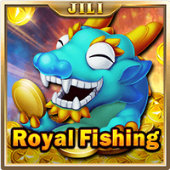 Royal Fishing
Start with the rules and controls, then decide whether the pace suits your session. Treat every result as uncertain and play only for adult entertainment.
More fishing choices on tableplus
RelatedCompare a few fishing titles by their theme and visual pace. These recommendations use the same game category; choose one only if it fits your own session plan.


Return-rate perspective
What RTP can—and cannot—tell you about Royal Fishing
There is no verified return figure here, so do not assume a percentage or treat one as a prediction for your next round. RTP is a long-run theoretical measure defined by a game provider, not a promise that an individual player will recover a particular amount in a short session.
When assessing Royal Fishing, first look for official rules and any published game information in the play environment. Confirm what the displayed values mean, whether they describe a particular mode, and whether the information is current. If a figure is not clearly provided, leave it unknown rather than inferring a value from a recent win, a target animation or a promotional claim.
For broader context about how titles are organized, read our Jackpot Bingo overview. It is a separate game page, not evidence about Royal Fishing’s return rate.
Practical round habits
Build a steadier approach to Royal Fishing play
A simple plan is more useful than chasing a large target: choose a modest stake, watch the cost of each action and review your limit before continuing. Fishing games can create a quick visual rhythm; a short pause helps turn that rhythm into deliberate decisions rather than automatic firing.
Decide your time and entertainment budget in advance. Use only money you can afford to lose, and do not borrow or use funds intended for essentials.
Before committing to repeated shots, identify the controls, available stake settings and any information panel. If a rule or control is unclear, pause and review it.
Use the displayed target information as context, not as a promise. Avoid spending more simply because a target has taken time or because a round feels close to a result.
Take a break at the planned interval and stop when the limit is reached. A loss should not trigger larger stakes or an attempt to win money back.
Keep these habits whether you explore Royal Fishing or browse the wider Tableplus Live Games collection. The collection can help you compare categories, but each title has its own rules.
Mechanics and decision points
How the visible mechanics shape Royal Fishing rounds
The core loop is easiest to understand as action, target response and result review. Exact controls and feature behavior can vary by game version, so rely on the information shown in the game rather than assuming that every fishing title works the same way.
Check the selected stake or shot setting before firing. Repeated actions can add up quickly, even when each individual amount appears small.
Targets may differ in appearance, movement and displayed value. Those signals can help you understand the scene, but they do not establish that a target is due to be captured.
Observe what the game reports after an action and keep expectations realistic. A visual effect is not a reliable forecast of the next result.
A useful Royal Fishing Demo mindset is to treat any low-commitment exploration as a way to learn controls and pacing—not as proof of a winning system. If a demo mode is not offered in the game interface, do not assume it exists.
Players researching tableplus Royal Fishing should distinguish game guidance from platform access information. A separate game guide for Asgardian Rising can help compare how unrelated titles present their themes, but it does not predict fishing outcomes.
Feature comparison
Which Royal Fishing features deserve a closer look?
Prioritize clarity, control and budget fit over claims about guaranteed prizes. A quick scan of the in-game information can tell you whether the pace, presentation and stake options suit your preferences.
| What to inspect | Why it matters | A careful reading |
|---|---|---|
| Controls | They define how actions are selected and repeated. | Understand each control before starting a longer session. |
| Stake display | It helps you estimate how quickly costs may accumulate. | Check the active setting before each change in pace. |
| Target information | It gives context for comparing on-screen targets. | Displayed value does not guarantee a particular result. |
| Rules and help | They explain the actual version’s features and conditions. | Use official in-game details rather than guesses or rumors. |
For a wider tableplus review, assess the experience on practical points: readable controls, clear game information, accessible responsible-play limits and a stable mobile layout. A tableplus slots category comparison may be useful for browsing, but slot mechanics should not be confused with a fishing game’s action loop.
Choose by session context
When Royal Fishing may fit your play session
Choose Royal Fishing only when an action-led fishing format matches the time and budget you have already set. It is not appropriate as a way to earn income or recover losses.
If gambling is affecting finances, work, relationships or wellbeing, stop and seek appropriate local support. Do not play if you are under the legal age or if gambling is not lawful where you live.